

What is the weight of different bioethanol garden burners?
Aug 12, 2025
Leave a message
Bioethanol garden burners have gained significant popularity in recent years as an eco - friendly and convenient alternative to traditional wood - burning fire pits. These burners offer a clean and efficient way to enjoy an outdoor fire, and one important aspect that customers often consider is the weight of different bioethanol garden burners. As a leading supplier of bioethanol garden burners, I am here to provide detailed information about the weights of various types of these burners and how it can impact your outdoor experience.
Understanding Bioethanol Garden Burners
Bioethanol garden burners operate by burning bioethanol, a renewable fuel made from plant materials such as corn, sugarcane, or wheat. They are designed to be used outdoors, adding a warm and inviting atmosphere to patios, gardens, and other outdoor spaces. There are several types of bioethanol garden burners available on the market, each with its own unique features and weights.
Round Bioethanol Burner
The Round Bioethanol Burner is a popular choice among consumers due to its elegant and compact design. These burners typically come in a variety of sizes, and their weight can vary accordingly. Smaller round bioethanol burners, with a diameter of around 12 - 16 inches, usually weigh between 5 - 10 pounds. These lightweight models are easy to move around, making them ideal for those who want to change the location of their outdoor fire frequently.
On the other hand, larger round bioethanol burners, with a diameter of 20 inches or more, can weigh between 15 - 25 pounds. The increased weight is due to the larger fuel tank and the sturdier construction required to support the larger size. While these heavier models may be less portable, they often offer a more substantial and long - lasting fire, making them suitable for permanent outdoor installations.

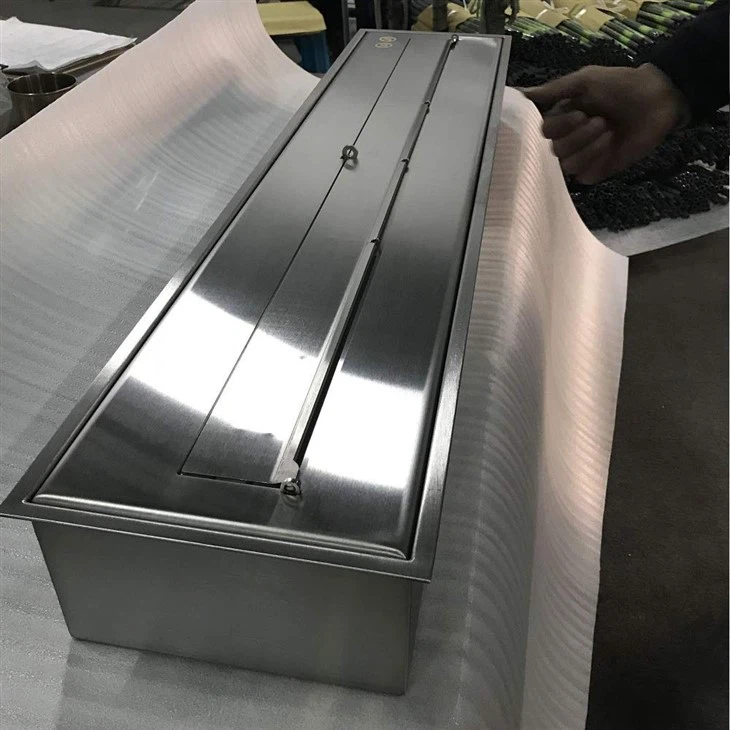
Bioethanol Open Fire
The Bioethanol Open Fire is another type of bioethanol garden burner that provides a more traditional open - flame experience. These burners are often larger in size and can have a more complex design. Smaller bioethanol open fires, which are suitable for small patios or balconies, may weigh around 10 - 15 pounds. They are relatively lightweight and can be easily placed on a flat surface.
Larger bioethanol open fires, designed for larger outdoor areas such as gardens or terraces, can weigh anywhere from 25 - 50 pounds. The weight of these burners is influenced by factors such as the size of the fuel reservoir, the thickness of the materials used in the construction, and any additional features like decorative elements or wind guards. A heavier bioethanol open fire is generally more stable and less likely to be affected by strong winds.
Biofuel Ethanol Fireplace
The Biofuel Ethanol Fireplace is a more sophisticated type of bioethanol garden burner. It combines the functionality of a traditional fireplace with the convenience of bioethanol fuel. These fireplaces can range in size from small, tabletop models to large, freestanding units.
Small tabletop biofuel ethanol fireplaces typically weigh between 3 - 8 pounds. They are extremely lightweight and can be placed on any flat surface, such as a coffee table or a patio table. These models are perfect for creating a cozy atmosphere in small outdoor spaces or for use as a decorative element.
Larger freestanding biofuel ethanol fireplaces can weigh between 30 - 80 pounds. These heavy - duty models are designed to be a focal point in larger outdoor areas. They often have a more elaborate design and a larger fuel capacity, which contributes to their increased weight.
Factors Affecting the Weight of Bioethanol Garden Burners
Several factors contribute to the weight of bioethanol garden burners. Understanding these factors can help you make an informed decision when choosing the right burner for your needs.
Fuel Tank Capacity
The size of the fuel tank is one of the primary factors affecting the weight of a bioethanol garden burner. A larger fuel tank can hold more bioethanol, which means a longer burn time. However, it also adds to the overall weight of the burner. For example, a burner with a fuel tank capacity of 1 liter may weigh less than a burner with a 3 - liter fuel tank.
Material of Construction
The materials used in the construction of the burner also play a significant role in determining its weight. Burners made from lightweight materials such as aluminum or stainless steel are generally lighter than those made from cast iron or stone. Aluminum burners are corrosion - resistant and relatively easy to move, while cast iron burners are more durable and can provide better heat retention.
Additional Features
Some bioethanol garden burners come with additional features such as wind guards, spark screens, or decorative elements. These features can add to the weight of the burner. For example, a burner with a built - in wind guard may weigh a few extra pounds compared to a basic model without one.
Importance of Weight in Choosing a Bioethanol Garden Burner
The weight of a bioethanol garden burner can have several implications for its use and installation.
Portability
If you plan to move your outdoor fire around frequently, a lightweight burner is the way to go. Lightweight burners can be easily carried from one location to another, allowing you to enjoy the fire in different parts of your outdoor space. This is especially useful if you have a small patio or if you like to change the layout of your outdoor furniture regularly.
Stability
On the other hand, if you have a large outdoor area and want a permanent fire installation, a heavier burner may be more suitable. A heavier burner is more stable and less likely to be knocked over by strong winds or accidental bumps. This is particularly important for burners that are placed in open areas where they may be exposed to the elements.
Installation
The weight of the burner can also affect the installation process. Heavier burners may require more effort to set up, especially if they need to be placed on a specific base or platform. Lightweight burners, on the other hand, can often be simply placed on a flat surface without any additional installation steps.
Conclusion
In conclusion, the weight of different bioethanol garden burners varies depending on their type, size, fuel tank capacity, material of construction, and additional features. As a supplier of bioethanol garden burners, I understand that choosing the right burner is crucial for creating the perfect outdoor atmosphere. Whether you are looking for a lightweight and portable burner or a heavy - duty and stable model, there is a bioethanol garden burner to suit your needs.
If you are interested in purchasing a bioethanol garden burner, I encourage you to contact us for more information. Our team of experts can help you select the right burner based on your specific requirements and budget. We offer a wide range of high - quality bioethanol garden burners that are designed to provide a clean, efficient, and enjoyable outdoor fire experience.
References
- "Bioethanol as a Renewable Energy Source" - Journal of Renewable Energy Research
- "Outdoor Fire Pit Design and Safety" - International Journal of Outdoor Living
- "Materials for Outdoor Heating Appliances" - Materials Science and Engineering Journal