

What is the heat distribution of a bioethanol garden burner?
Dec 11, 2025
Leave a message
Hey there! As a supplier of Bioethanol Garden Burners, I often get asked about the heat distribution of these nifty devices. So, let's dive right in and explore what the heat distribution of a bioethanol garden burner is all about.

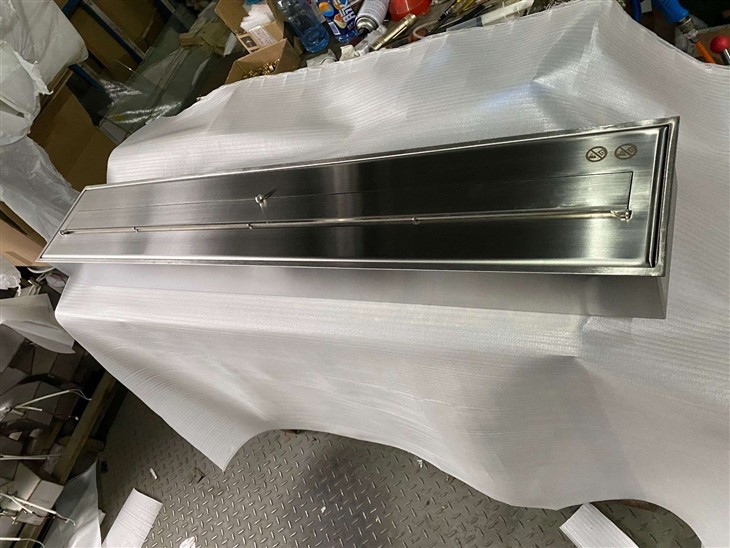
First off, let's understand what bioethanol garden burners are. These are outdoor heating solutions that use bioethanol as fuel. Bioethanol is a clean - burning, renewable fuel made from organic materials like corn, sugarcane, or wheat. They're a great alternative to traditional wood - burning fire pits or gas heaters, as they're more eco - friendly and easier to use.
Now, onto the heat distribution. The heat distribution of a bioethanol garden burner depends on several factors. One of the most important factors is the design of the burner. Different designs will disperse heat in different ways.
Design and Heat Distribution
- Open - Flame Designs: Some bioethanol garden burners have an open - flame design, like the Bioethanol Open Fire. These burners typically have a wide, exposed flame. The heat from an open - flame burner radiates outwards in a semi - circular pattern. The direct heat is felt in front of the burner, and the warmth gradually decreases as you move further away. The open flame allows for a large area to be heated, but the heat intensity drops off relatively quickly with distance. This type of burner is great for creating a cozy, ambient atmosphere in a small to medium - sized outdoor area, like a patio or a small garden.
- Enclosed Designs: Other burners are more enclosed. They might have a glass or metal enclosure around the flame. Enclosed bioethanol burners tend to direct the heat more upwards. The enclosure acts like a chimney, drawing the hot air up and then allowing it to disperse over a wider area. However, the heat directly in front of the burner might not be as intense as with an open - flame design. These burners are good for larger outdoor spaces where you want to heat a more extended area.
Burner Size and Heat Output
The size of the bioethanol garden burner also plays a significant role in heat distribution. Larger burners generally have a higher heat output. For example, a Round Bioethanol Burner that is larger in diameter will produce more heat than a smaller one. A bigger burner can heat a larger area, but it also means that the heat distribution will be more spread out. Smaller burners, on the other hand, have a more concentrated heat output. They're ideal for heating a small, specific area, like a couple of chairs around a table.
Fuel Consumption and Heat
The amount of bioethanol fuel being burned affects the heat distribution as well. When you use more fuel, the flame is larger and hotter. A larger flame means more heat is being produced, and it can be distributed over a wider area. However, you need to be careful not to over - fuel the burner. Over - fueling can lead to an unstable flame and potentially dangerous situations. Most bioethanol burners come with guidelines on the recommended fuel level to ensure optimal heat output and safety.
Placement and Heat Distribution
Where you place your bioethanol garden burner is crucial for getting the best heat distribution. If you place it against a wall or in a corner, the heat will bounce off the wall and be concentrated in a particular direction. This can create a hot spot in one area and leave other parts of the outdoor space cooler. It's best to place the burner in an open area, away from any flammable materials and obstructions. This allows the heat to disperse evenly in all directions.
Comparing with Other Heating Sources
Compared to traditional wood - burning fire pits, bioethanol garden burners have a more consistent heat distribution. Wood - burning fire pits can have uneven flames, and the heat can be concentrated around the burning wood. Also, wood - burning fire pits produce a lot of smoke, which can be a nuisance. Bioethanol burners, on the other hand, burn cleanly and produce a more even heat.
When compared to gas heaters, bioethanol garden burners offer a more natural - looking flame. Gas heaters often have a more focused heat output, while bioethanol burners can heat a more spread - out area. Gas heaters also require a gas line or a propane tank, which can be a hassle to install and maintain. Bioethanol burners are more portable and can be easily moved around your outdoor space.
Practical Applications
Bioethanol garden burners are versatile in their applications. If you're having a small gathering with friends on your patio, an open - flame bioethanol burner can create a warm and inviting atmosphere. You and your friends can sit around it, enjoying the heat and the beautiful flame. For a larger outdoor event, like a garden party, an enclosed or a larger - sized burner can be used to heat a larger area.
Maintenance for Optimal Heat Distribution
To ensure that your bioethanol garden burner distributes heat effectively, regular maintenance is essential. You should clean the burner regularly to remove any debris or residue that might affect the flame. Check the fuel container for any blockages or leaks. A well - maintained burner will have a consistent flame, which is key to proper heat distribution.
Conclusion
In conclusion, the heat distribution of a bioethanol garden burner depends on its design, size, fuel consumption, and placement. Whether you're looking for a burner to heat a small patio or a large garden, there's a bioethanol garden burner out there for you. Our Biofuel Ethanol Fireplace collection offers a variety of options to suit different needs.
If you're interested in purchasing a bioethanol garden burner for your outdoor space, I'd love to have a chat with you. We can discuss your specific requirements, such as the size of the area you want to heat and the style you prefer. Contact us to start the purchasing process and transform your outdoor area into a warm and inviting space.
References
- "Outdoor Heating Systems: A Comparative Analysis" - Journal of Outdoor Living
- "Bioethanol as a Renewable Fuel for Outdoor Heating" - Renewable Energy Research Journal