

How often do I need to refill bio ethanol burners?
May 28, 2025
Leave a message
The frequency of refilling bio ethanol burners is a common question among users, and as a supplier of Bio Ethanol Burners, I'm here to provide you with a comprehensive answer. Bio ethanol burners have gained popularity in recent years due to their convenience, eco - friendliness, and aesthetic appeal. They are a great alternative to traditional wood or gas fires, offering a clean and efficient way to add warmth and ambiance to any space.
Understanding Bio Ethanol Burners
Bio ethanol burners operate by burning bio ethanol fuel, which is a renewable energy source made from organic materials such as corn, sugarcane, or wheat. When bio ethanol is burned, it produces a clean flame with minimal emissions, making it an environmentally friendly choice. These burners come in various types, including Bio Ethanol Gas Fires, Automatic Bioethanol Burner, and Modern Biofuel Fireplace.
Factors Affecting Refill Frequency
Several factors influence how often you need to refill your bio ethanol burner.
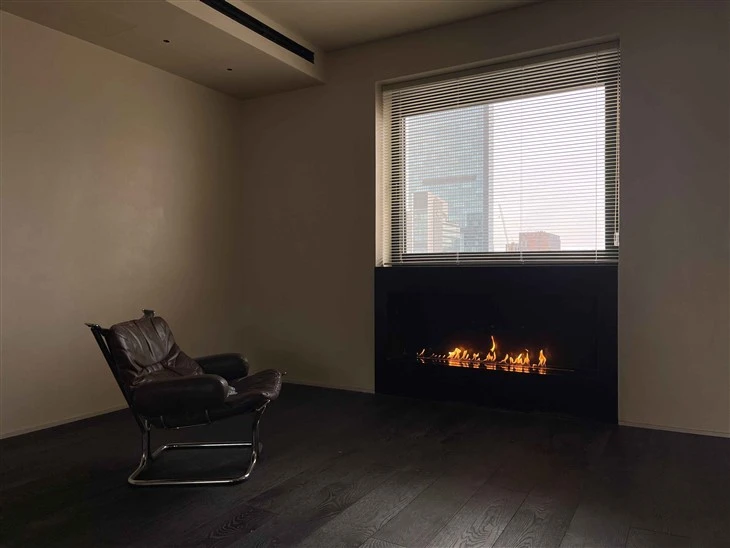

Burner Size
The size of the burner is a significant factor. Larger burners typically have larger fuel chambers, which means they can hold more bio ethanol. For example, a large - scale commercial bio ethanol fireplace may have a fuel capacity of several liters, allowing it to burn for many hours without refilling. In contrast, a small tabletop bio ethanol burner may only hold a few hundred milliliters of fuel, requiring more frequent refills.
Flame Intensity
The intensity of the flame you set also affects the fuel consumption rate. A high - intensity flame burns through the bio ethanol more quickly than a low - intensity flame. If you prefer a roaring, bright flame, you will need to refill the burner more often compared to when you use a more subdued flame. For instance, if you set your burner to its maximum flame setting, it might consume fuel at a rate of 0.5 - 1 liter per hour, while a low - flame setting could reduce the consumption to 0.1 - 0.2 liters per hour.
Ambient Conditions
The environment in which the burner is used plays a role as well. In a well - ventilated area, the burner may burn more efficiently, but it could also cause the bio ethanol to evaporate faster. On the other hand, in a closed or poorly ventilated space, the flame may not burn as cleanly, and the burner may require more fuel to maintain the desired flame. Temperature can also impact fuel consumption. In colder environments, the burner may need to work harder to produce heat, leading to increased fuel usage.
General Refill Guidelines
Based on common burner sizes and usage patterns, here are some general guidelines for refilling bio ethanol burners:
Small Tabletop Burners
These burners usually have a fuel capacity of around 200 - 500 milliliters. At a low - flame setting, they can burn for 2 - 4 hours, while at a high - flame setting, the burning time may be reduced to 1 - 2 hours. So, if you use a small tabletop burner regularly, you may need to refill it daily or every few uses.
Medium - Sized Indoor Fireplaces
Medium - sized indoor bio ethanol fireplaces typically have a fuel capacity of 1 - 3 liters. At a moderate flame setting, they can burn for 4 - 8 hours. If you use the fireplace for a few hours each day, you may only need to refill it once or twice a week.
Large Commercial Burners
Large commercial bio ethanol burners, often used in restaurants, hotels, or large event spaces, can have fuel capacities of 5 liters or more. With a continuous medium - flame setting, they can burn for 10 - 20 hours or even longer. These burners may only need to be refilled once every few days or weeks, depending on the usage frequency.
Tips for Efficient Use and Refilling
To make the most of your bio ethanol burner and minimize the frequency of refills, consider the following tips:
- Choose the Right Flame Setting: Use a lower flame setting whenever possible to reduce fuel consumption. You can still achieve a cozy ambiance with a gentle flame.
- Maintain Proper Ventilation: Ensure that the area where the burner is used is well - ventilated. This helps the burner burn the fuel more efficiently and reduces the risk of incomplete combustion.
- Store Bio Ethanol Properly: Keep your bio ethanol fuel in a cool, dry place away from direct sunlight. This helps prevent evaporation and maintains the quality of the fuel.
- Regular Maintenance: Clean your burner regularly to remove any debris or carbon buildup. A clean burner operates more efficiently and uses fuel more effectively.
The Importance of Quality Fuel
Using high - quality bio ethanol fuel is crucial for the performance and longevity of your burner. Inferior fuels may contain impurities that can clog the burner, reduce the flame quality, and increase fuel consumption. As a supplier, we offer only premium - grade bio ethanol fuel that is specifically formulated for use in bio ethanol burners. Our fuel burns cleanly, producing a bright and steady flame, and helps to extend the life of your burner.
Conclusion
In conclusion, the frequency of refilling bio ethanol burners depends on several factors, including burner size, flame intensity, and ambient conditions. By understanding these factors and following the general guidelines and tips provided, you can optimize the use of your bio ethanol burner and minimize the need for frequent refills.
If you are interested in purchasing bio ethanol burners or have any questions about our products, we invite you to reach out to us for a detailed discussion. Our team of experts is ready to assist you in finding the perfect bio ethanol burner solution for your needs. Whether you are looking for a small, decorative tabletop burner or a large, commercial - grade fireplace, we have a wide range of options to choose from.
References
- Bio Ethanol Technology Handbook, Various Authors
- Research Papers on Renewable Energy in Home Appliances, Academic Journals