

How do I install a bioethanol gas fire?
Dec 22, 2025
Leave a message
Hey there! If you're like me, you've probably been charmed by the idea of having a bioethanol gas fire in your home. It's got that cozy, warm glow that just makes any space feel inviting, not to mention it's a more eco - friendly option compared to traditional fires. As a bioethanol gas fire supplier, I've installed these beauties countless times, and I'm stoked to share the ins and outs of the installation process with you.
Pre - installation Checks
Before you even start thinking about getting your hands dirty, there are a few things you need to check. First off, make sure you've got a suitable location. Bioethanol fires need a flat, stable surface that's non - combustible. You don't want to be setting up your fire on a wooden coffee table or something like that. A stone or ceramic surface is ideal.
Also, think about ventilation. Even though bioethanol fires produce fewer emissions than regular fires, it's still important to have some fresh air circulation. You don't need a chimney, but a room with a window that can be opened a bit is great.
Gathering Your Tools and Materials
Once you've sorted out the location, it's time to gather your tools and materials. You'll need a basic toolkit that includes a screwdriver (both flat - head and Phillips), a measuring tape, and a level. These are pretty standard tools that most people have lying around the house.
Of course, you'll also need your bioethanol fire unit. If you're looking for a top - notch option, check out our Wholesale Automatic Bioethanol Burner. It's got some really cool features that make it a breeze to use. You'll also need bioethanol fuel, which you can buy from us or other reliable suppliers.
Unpacking and Inspection
When your bioethanol fire arrives, carefully unpack it. Check for any damage during shipping. Look for scratches, dents, or any loose parts. If you find anything wrong, contact us right away, and we'll sort it out.
Measuring and Marking
Now, it's time to measure and mark the spot where you're going to install the fire. Use your measuring tape to make sure the area is the right size for your fire unit. Then, use a pencil to mark the spots where you'll need to drill holes for mounting, if required. Double - check your measurements with the level to make sure everything is straight.
Mounting the Fire (if applicable)
Some bioethanol fires need to be mounted on the wall, while others are freestanding. If you've got a wall - mountable fire, this is where you'll use your screwdriver to attach the mounting brackets to the wall. Make sure you're using the right screws for your wall type. If you're not sure, it's always a good idea to consult a professional.
Once the brackets are securely attached to the wall, carefully lift the fire unit and place it on the brackets. Line up the holes in the fire unit with the holes in the brackets and insert the screws. Tighten them up, but don't over - tighten, as you don't want to damage the unit.
Filling the Fuel Container
Before you can light up your fire, you need to fill the fuel container. Make sure the fire is completely cool and turned off. Use a funnel to pour the bioethanol fuel into the container. Don't overfill it; follow the manufacturer's instructions on how much fuel to use.
Lighting the Fire
Now comes the fun part – lighting the fire! Most bioethanol fires have an ignition system. Some are manual, where you use a long - handled lighter to light the fuel. Others, like our Wholesale Automatic Bioethanol Burner, have an automatic ignition system. Just follow the instructions that come with your fire to light it safely.
Testing and Adjusting
Once the fire is lit, let it burn for a few minutes. Check to make sure the flame is burning evenly. If the flame seems too high or too low, you can usually adjust it using the controls on your fire unit.
Safety Precautions
Safety is super important when it comes to bioethanol fires. Make sure you keep the fire away from flammable materials like curtains, papers, or furniture. Always use a fireguard if you have kids or pets around. And never leave the fire unattended while it's burning.
Different Types of Bioethanol Fires
There are all sorts of bioethanol fires out there. If you're into a modern look, our Modern Bioethanol Fireplace is a great choice. It's sleek and stylish, and it'll add a touch of class to any room.
We also have the Modern Biofuel Fireplace, which is designed with the latest technology to give you an efficient and beautiful fire experience.
Troubleshooting
Sometimes, things don't go as smoothly as we'd like. If you're having trouble getting the fire to light, check the fuel level. Make sure you're using the right type of bioethanol fuel. If the flame is flickering or uneven, it could be due to a draft in the room. Try closing the window a bit or adjusting the ventilation.
Maintenance
Regular maintenance is key to keeping your bioethanol fire in top shape. After each use, let the fire cool down completely. Then, clean the outside of the unit with a soft, dry cloth. Every few months, you should also clean the fuel container to remove any residue.

Conclusion
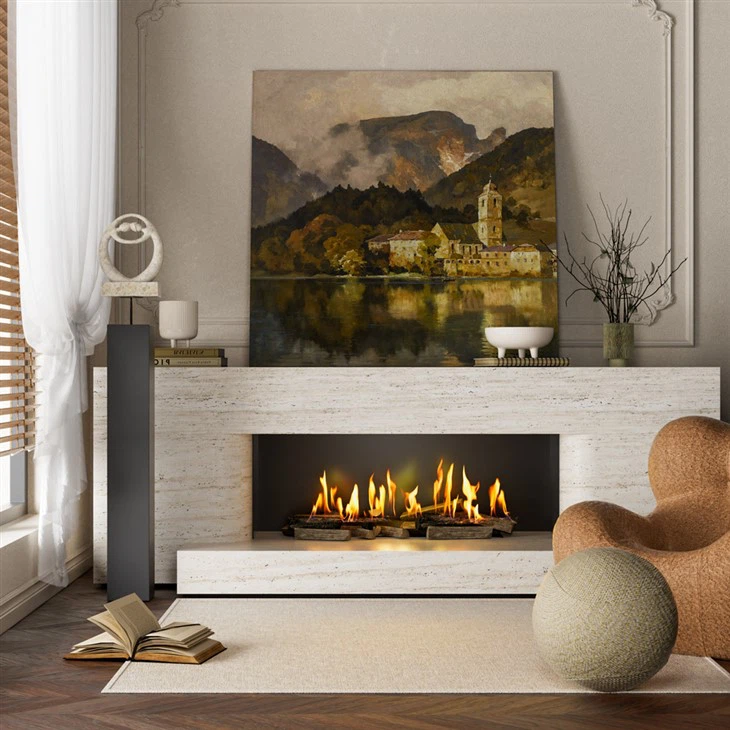
Installing a bioethanol gas fire is a pretty straightforward process if you follow these steps. It's a great way to add warmth and ambiance to your home. Whether you're looking for a simple, functional fire or a modern, high - tech one, we've got the perfect option for you.
If you're interested in purchasing a bioethanol gas fire or have any questions about the installation process, don't hesitate to reach out. We're here to help you make the right choice and ensure you have a great experience with your new fire.
References
- Manufacturer's manuals for bioethanol fire units
- Safety guidelines for bioethanol fuel usage