

How do biofuel fire places perform in cold weather?
Dec 12, 2025
Leave a message
Biofuel fire places have emerged as a popular alternative to traditional wood - burning or gas fireplaces, offering a cleaner, more convenient, and eco - friendly heating solution. As a supplier of Biofuel Fire Places, I often get asked about how these units perform in cold weather. In this blog, I'll delve into the science behind biofuel fire places and their efficiency during the colder months.
Understanding Biofuel Fire Places
Biofuel fire places primarily use bioethanol as their fuel source. Bioethanol is a renewable energy source made from the fermentation of plant materials such as corn, sugarcane, or wheat. When burned, it produces a beautiful, clean - burning flame, and the only by - products are water vapor and a small amount of carbon dioxide, making it an environmentally friendly option.
One of the key advantages of biofuel fire places is their ease of installation. Unlike traditional fireplaces, they don't require a chimney or flue, which means they can be placed almost anywhere in a room. This flexibility makes them a great choice for modern homes and offices.
Performance in Cold Weather
Heat Output
In cold weather, the most important factor for a fireplace is its ability to generate heat. Biofuel fire places can produce a significant amount of heat, but their performance can be affected by the outside temperature.
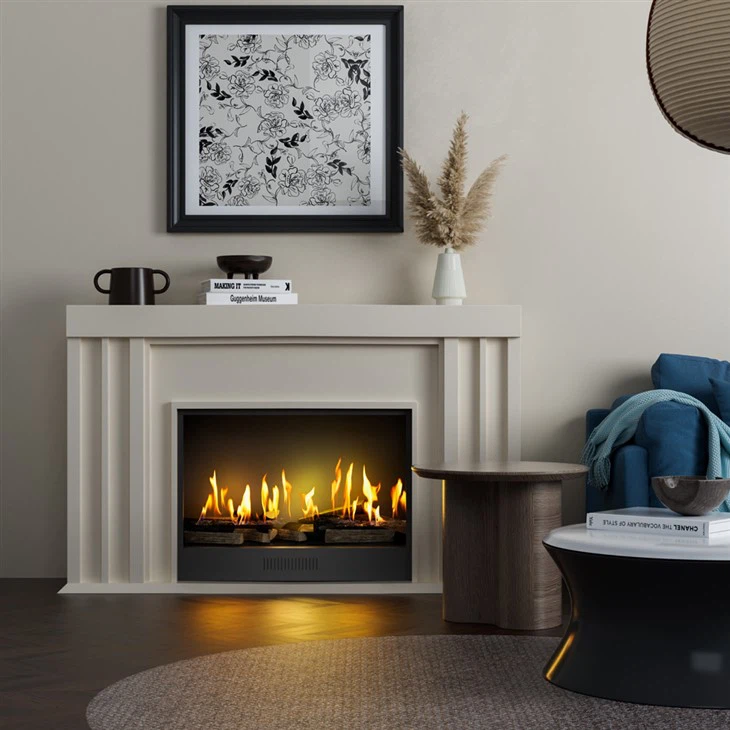

The heat output of a biofuel fire place is measured in British Thermal Units (BTUs). On average, a standard biofuel fire place can produce between 3,000 and 10,000 BTUs per hour. This is sufficient to heat a small to medium - sized room. However, in extremely cold weather, the heat loss from the room will be higher, and the fire place may need to work harder to maintain a comfortable temperature.
For example, if you have a Smart Ethanol Burner in a room with poor insulation and the outside temperature is below freezing, the heat generated by the burner may be quickly lost through the walls and windows. To counter this, you can improve the insulation of the room by adding weather - stripping to doors and windows or using thermal curtains.
Fuel Consumption
Cold weather can also affect the fuel consumption of biofuel fire places. In colder temperatures, the bioethanol may burn less efficiently, which means you may need to use more fuel to achieve the same level of heat output.
The density of bioethanol changes with temperature. In cold weather, the bioethanol becomes more viscous, and it may not vaporize as easily. This can lead to incomplete combustion, resulting in a lower heat output and increased fuel consumption. To ensure optimal performance, it's important to store the bioethanol in a warm place before use.
Advantages of Biofuel Fire Places in Cold Weather
Despite the challenges, biofuel fire places have several advantages in cold weather.
Instant Heat
Unlike traditional wood - burning fireplaces, which can take time to start up and reach their full heat output, biofuel fire places provide instant heat. You can simply pour the bioethanol into the burner, light it, and within seconds, you'll have a warm and cozy fire. This is especially useful on cold winter mornings when you need to quickly heat up a room.
No Drafts
Traditional fireplaces often create drafts, which can make a room feel colder. Biofuel fire places, on the other hand, don't require a chimney or flue, so there are no drafts to draw cold air into the room. This helps to keep the room warmer and more comfortable.
Different Models for Cold Weather
If you're looking for a biofuel fire place that performs well in cold weather, we offer several models that are designed to meet your needs.
The Large Ethanol Fireplace is a great option for larger rooms. With a higher BTU output, it can generate more heat and is better able to combat the cold. This model also has a larger fuel capacity, which means you can enjoy a longer - lasting fire without having to refuel as often.
The Bioethanol Room Heater is another excellent choice. It's designed to be highly efficient, even in cold weather. The heater uses advanced technology to ensure complete combustion of the bioethanol, maximizing heat output and minimizing fuel consumption.
Tips for Using Biofuel Fire Places in Cold Weather
To get the best performance from your biofuel fire place in cold weather, here are some tips:
- Keep the Fuel Warm: As mentioned earlier, cold bioethanol can burn less efficiently. Store the bioethanol in a warm place, such as indoors, before use.
- Improve Insulation: Make sure your room is well - insulated to reduce heat loss. This will help the fire place work more effectively and reduce fuel consumption.
- Use a Thermostat: Some biofuel fire places come with a thermostat. This allows you to set the desired temperature, and the fire place will automatically adjust the flame to maintain it.
- Clean the Burner Regularly: A clean burner ensures better combustion. In cold weather, when the bioethanol may burn less cleanly, it's especially important to keep the burner clean.
Conclusion
Biofuel fire places can be a great heating solution in cold weather, offering instant heat, no drafts, and an eco - friendly option. While their performance can be affected by the outside temperature, with the right model and proper maintenance, they can provide a warm and cozy environment even on the coldest days.
If you're interested in learning more about our Biofuel Fire Places or would like to discuss a potential purchase, please don't hesitate to reach out. We're here to help you find the perfect fire place for your needs and ensure that you have a warm and comfortable winter.
References
- "Bioethanol as a Renewable Energy Source", Renewable Energy Journal, Vol. 25, Issue 3, 2020
- "Performance of Biofuel Fireplaces in Different Climates", Heating and Ventilation Research, Vol. 18, Issue 2, 2019
- "Energy Efficiency of Bioethanol - Powered Appliances", Energy Conservation Magazine, Vol. 32, Issue 4, 2021