

Do garden ethanol burners affect nearby plants?
Dec 08, 2025
Leave a message
Hey there, fellow garden enthusiasts! I'm a supplier of Garden Ethanol Burners, and I often get asked this question: Do garden ethanol burners affect nearby plants? Well, let's dig into this topic and find out.
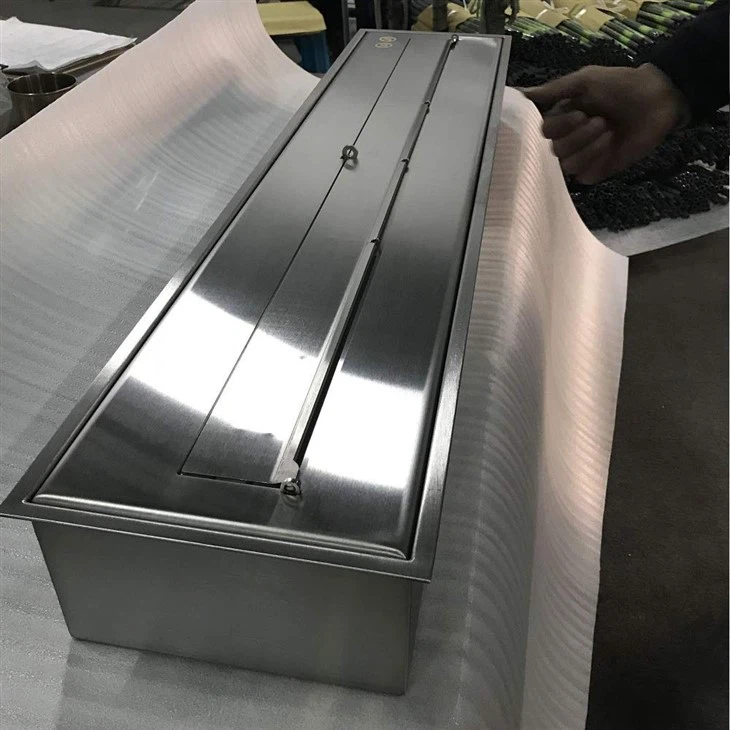
First off, let's talk a bit about what garden ethanol burners are. These nifty devices are a great addition to any garden. They provide a warm, cozy atmosphere, and they're environmentally friendly compared to traditional wood - burning fire pits. You can check out our Biofuel Ethanol Fireplace, Bioethanol Open Fire, and Round Bioethanol Burner options, which are popular among our customers.
Now, let's get to the main question. When it comes to the impact on nearby plants, there are a few factors we need to consider.
Heat
One of the most obvious things is the heat generated by the ethanol burner. Just like any heat source, it can have both positive and negative effects on plants.
On the plus side, a little bit of extra heat can actually be beneficial, especially in cooler climates or during the early spring or late fall. It can help extend the growing season for some plants. For example, if you have some tender herbs like basil or mint, a bit of warmth from the burner can keep them happy and growing a bit longer.
However, too much heat can be a problem. If the burner is placed too close to the plants, it can cause the soil to dry out quickly. Plants need a certain amount of moisture in the soil to absorb nutrients and stay healthy. When the soil dries out, the roots can't do their job properly, and the plants may start to wilt. Also, extreme heat can damage the leaves and stems of the plants. The heat can cause the cells in the plant tissues to break down, leading to brown or black spots on the leaves and even stunted growth.
So, how do you find the right balance? It's all about the placement. You should keep the burner at a safe distance from the plants. A good rule of thumb is to have at least a few feet of space between the burner and the nearest plants. This way, the plants can enjoy a bit of the warmth without being over - heated.
Air Quality
Another important factor is the air quality around the plants. Ethanol burners produce carbon dioxide (CO2) when they burn. Now, CO2 is actually a key ingredient for photosynthesis, the process by which plants make their food. So, in theory, a little extra CO2 in the air around the plants can be a good thing. It can help the plants grow faster and produce more oxygen.

But there's a catch. Ethanol burners also produce some other by - products when they burn, such as water vapor and small amounts of carbon monoxide (CO) if the combustion is not complete. While water vapor is generally harmless and can even add a bit of humidity to the air, carbon monoxide is toxic to both plants and humans.
However, modern ethanol burners are designed to burn ethanol cleanly and efficiently, minimizing the production of carbon monoxide. As long as you use a high - quality burner and follow the manufacturer's instructions, the amount of carbon monoxide produced should be very low and not a significant threat to the plants.
In addition, if the burner is used in an enclosed or poorly ventilated area, the build - up of CO2 and other by - products can become a problem. The plants need a good supply of fresh air to breathe, just like we do. So, make sure your garden has good air circulation around the burner.
Chemicals and Residues
Some people worry about whether the chemicals in the ethanol fuel or any residues left behind by the burner can affect the plants. Most ethanol fuels used in garden burners are made from renewable sources like corn or sugarcane, and they are relatively clean - burning.
However, if you use a low - quality fuel or if there are impurities in the fuel, it could potentially have a negative impact on the plants. For example, some fuels may contain additives or contaminants that could seep into the soil and harm the plants.
To avoid this, always use a high - quality ethanol fuel that is specifically designed for use in garden burners. Also, make sure to clean the burner regularly to prevent the build - up of any residues that could fall onto the plants or into the soil.
Light
Ethanol burners also emit light, which can have an impact on the plants. Plants have a natural circadian rhythm, which is regulated by the amount of light they receive. They need a certain amount of light during the day for photosynthesis and a period of darkness at night to rest.
The light from the ethanol burner is usually not as bright as sunlight, but it can still disrupt the plants' natural light cycle if it's on for too long or too close to the plants. For example, if you leave the burner on all night near a plant that needs a period of darkness, it could affect the plant's growth and development.
So, it's a good idea to use the burner during the evening hours and turn it off before it gets too late. This way, the plants can still get their proper amount of darkness.
In conclusion, garden ethanol burners can have both positive and negative effects on nearby plants. The key is to use them responsibly. By choosing the right placement, using high - quality fuel, ensuring good ventilation, and being mindful of the light and heat, you can enjoy the benefits of your ethanol burner without harming your precious plants.
If you're interested in adding a garden ethanol burner to your outdoor space, I'd love to talk to you about our products. Whether you're looking for a Biofuel Ethanol Fireplace, a Bioethanol Open Fire, or a Round Bioethanol Burner, we've got you covered. Reach out to discuss your needs and let's create a cozy and plant - friendly garden together.
References
- Smith, J. (2020). "The Effects of Heat on Plant Growth". Journal of Horticultural Science.
- Johnson, A. (2019). "Air Quality and Plant Health". Environmental Science Review.
- Brown, C. (2021). "The Impact of Light on Plant Circadian Rhythms". Botanical Research.