

Do bioethanol garden burners produce carbon monoxide?
Dec 05, 2025
Leave a message
Bioethanol garden burners have gained significant popularity in recent years as a clean and convenient alternative to traditional wood - burning fire pits. As a supplier of Bioethanol Garden Burners, I often receive questions from customers about the safety and environmental impact of these products, particularly regarding the production of carbon monoxide. In this blog post, I will explore the science behind bioethanol combustion and answer the question: Do bioethanol garden burners produce carbon monoxide?
Understanding Bioethanol
Bioethanol, also known as ethyl alcohol, is a renewable fuel made from the fermentation of plant materials such as corn, sugarcane, or wheat. It is a clear, colorless liquid with a characteristic odor and is commonly used as a fuel in a variety of applications, including automotive engines, cooking stoves, and heating appliances.
One of the main advantages of bioethanol is its relatively clean combustion. When burned, bioethanol reacts with oxygen in the air to produce carbon dioxide (CO₂) and water vapor (H₂O). The chemical equation for the combustion of bioethanol is as follows:
C₂H₅OH + 3O₂ → 2CO₂ + 3H₂O
This equation shows that, under ideal conditions, the complete combustion of bioethanol results in the production of only carbon dioxide and water. Carbon monoxide (CO), a highly toxic gas, is not produced when the combustion process is complete.
Factors Affecting Carbon Monoxide Production
However, in real - world scenarios, the combustion of bioethanol may not always be complete. Several factors can affect the efficiency of the combustion process and lead to the production of carbon monoxide:
1. Oxygen Availability
For complete combustion to occur, there must be an adequate supply of oxygen. If the burner is placed in an enclosed or poorly ventilated area, the oxygen levels may become depleted, causing incomplete combustion. In such cases, some of the carbon in the bioethanol may not be fully oxidized to carbon dioxide, resulting in the production of carbon monoxide.
2. Burner Design
The design of the bioethanol burner can also influence the combustion process. A well - designed burner will ensure proper mixing of the bioethanol fuel with air, promoting efficient combustion. On the other hand, a poorly designed burner may not provide sufficient air flow, leading to incomplete combustion and the production of carbon monoxide.
3. Fuel Quality
The quality of the bioethanol fuel can also play a role in carbon monoxide production. Impurities in the fuel, such as water or other contaminants, can interfere with the combustion process and reduce its efficiency. Using high - quality, pure bioethanol is essential to ensure clean and complete combustion.
Carbon Monoxide Production in Bioethanol Garden Burners
In general, when used correctly in a well - ventilated outdoor environment, bioethanol garden burners produce very low levels of carbon monoxide. Outdoor settings provide an abundant supply of oxygen, which helps to ensure complete combustion of the bioethanol fuel.
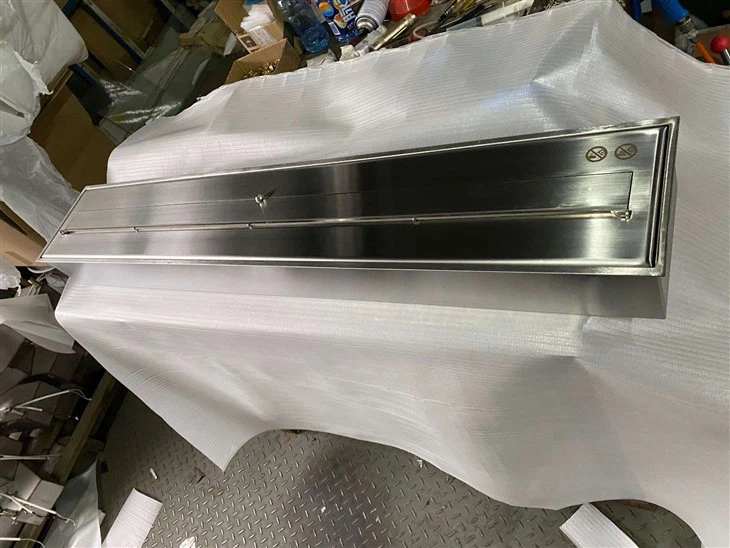
Most bioethanol garden burners are designed to promote efficient combustion by allowing for proper air flow. For example, our Round Bioethanol Burner features a unique design that ensures optimal mixing of the fuel and air, minimizing the risk of incomplete combustion and carbon monoxide production.
However, it is still important to follow the manufacturer's instructions carefully when using a bioethanol garden burner. This includes placing the burner in a well - ventilated area, away from flammable materials, and using only the recommended type and amount of bioethanol fuel.

Safety Precautions
Although the risk of carbon monoxide production from bioethanol garden burners is relatively low when used outdoors, it is still important to take some safety precautions:
1. Ventilation
Always use the bioethanol garden burner in a well - ventilated outdoor area. Avoid using it in enclosed spaces, such as garages or tents, as this can increase the risk of carbon monoxide buildup.
2. Carbon Monoxide Detectors
Consider installing a carbon monoxide detector in the vicinity of the bioethanol garden burner. This can provide an additional layer of safety by alerting you if the carbon monoxide levels in the air become too high.
3. Regular Maintenance
Regularly inspect and maintain your bioethanol garden burner to ensure that it is functioning properly. This includes cleaning the burner, checking for any signs of damage or wear, and replacing any worn - out parts.
Environmental Benefits of Bioethanol Garden Burners
In addition to their low carbon monoxide production, bioethanol garden burners offer several environmental benefits. Bioethanol is a renewable fuel, which means that it can be produced from sustainable sources. Unlike fossil fuels, which release large amounts of carbon dioxide into the atmosphere when burned, bioethanol is considered to be carbon - neutral.
The plants used to produce bioethanol absorb carbon dioxide from the atmosphere during their growth. When the bioethanol is burned, it releases the same amount of carbon dioxide back into the atmosphere, resulting in a net - zero carbon footprint.
Furthermore, bioethanol garden burners do not produce ash or soot, which can be a nuisance and a source of air pollution. This makes them a cleaner and more environmentally friendly option compared to traditional wood - burning fire pits.
Our Product Range
As a leading supplier of bioethanol garden burners, we offer a wide range of high - quality products to meet the needs of our customers. Our Factory Ethanol Geater Outdoor is a popular choice for those looking for a powerful and efficient outdoor heating solution. It is designed to provide a long - lasting and consistent flame, making it perfect for entertaining guests in the garden.
We also offer the Biofuel Ethanol Fireplace, which combines the warmth and ambiance of a traditional fireplace with the convenience and cleanliness of bioethanol fuel. This product is ideal for creating a cozy and inviting atmosphere in your outdoor living space.
Conclusion
In conclusion, bioethanol garden burners generally produce very low levels of carbon monoxide when used correctly in a well - ventilated outdoor environment. The risk of carbon monoxide production can be minimized by ensuring proper oxygen availability, using a well - designed burner, and using high - quality bioethanol fuel.
By following the safety precautions outlined in this blog post, you can enjoy the warmth and ambiance of a bioethanol garden burner without worrying about the harmful effects of carbon monoxide.
If you are interested in purchasing a bioethanol garden burner or have any questions about our products, please feel free to contact us for more information. We are always happy to assist you in finding the perfect bioethanol burner for your needs.
References
- "Combustion Basics," Combustion Engineering Association.
- "Bioethanol as a Renewable Energy Source," Renewable Energy World.
- Manufacturer's instructions for bioethanol garden burners.