

Do bioethanol garden burners emit harmful chemicals?
Jan 13, 2026
Leave a message
As a supplier of Bioethanol Garden Burners, I often get asked this question: "Do bioethanol garden burners emit harmful chemicals?" It's a valid concern, especially when it comes to using any kind of burning device in our outdoor spaces. So, let's dig into this topic and find out the truth.
First off, let's understand what bioethanol is. Bioethanol is a type of alcohol fuel made from renewable sources like corn, sugarcane, or wheat. It's considered a "green" alternative to traditional fossil fuels because it's derived from plants that can be regrown. When bioethanol burns, it produces carbon dioxide (CO2) and water vapor, which are the same by - products you'd get from burning wood in a fireplace, but with a lot less hassle and mess.
Now, the big question is whether these by - products are harmful. Carbon dioxide is a natural part of the Earth's atmosphere. We all exhale CO2 when we breathe, and plants use it for photosynthesis. In small, well - ventilated outdoor areas, the amount of CO2 produced by a bioethanol garden burner is not going to cause any significant problems. It's a far cry from the large amounts of CO2 emitted by industrial processes or cars.
But what about other potentially harmful chemicals? Well, one of the great things about bioethanol is that it burns relatively cleanly. Unlike traditional fuels like coal or oil, it doesn't produce large amounts of particulate matter, sulfur dioxide, or nitrogen oxides. These are the pollutants that can cause respiratory problems, acid rain, and contribute to smog.
However, it's important to note that no combustion process is completely perfect. There might be trace amounts of other chemicals emitted when bioethanol burns. For example, under certain conditions, there could be a small amount of formaldehyde produced. Formaldehyde is a known carcinogen, but the levels produced by a well - functioning bioethanol garden burner are extremely low.
To put it in perspective, the World Health Organization (WHO) has set guidelines for acceptable levels of formaldehyde in the air. The levels emitted by a bioethanol garden burner are typically well below these limits, especially when used outdoors where there is plenty of fresh air circulation.
Another factor to consider is the quality of the bioethanol fuel you're using. Cheaper, lower - quality bioethanol may contain impurities that could lead to the emission of more harmful chemicals. That's why it's crucial to source high - quality bioethanol from a reputable supplier. At our company, we only offer top - notch bioethanol that meets strict quality standards, ensuring that you get a clean and safe burning experience.
Now, let's talk about ventilation. Even though bioethanol burns relatively cleanly, proper ventilation is still important. When using a bioethanol garden burner, make sure you're in an open area where the air can circulate freely. This will help disperse any by - products and keep the air quality in your outdoor space healthy.
If you're still worried about the emissions, there are some additional steps you can take. You can choose a bioethanol garden burner with advanced combustion technology. These burners are designed to burn the fuel more efficiently, reducing the amount of pollutants emitted.
There are also some great options available in the market, like the Ventless Biofuel Fireplace. It's a convenient and stylish option that uses bioethanol to create a warm and inviting atmosphere. And the best part? It's designed to minimize emissions and provide a clean burning experience.
The Biofuel Ethanol Fireplace is another excellent choice. It offers a beautiful flame and is engineered to burn bioethanol efficiently, keeping the emission of harmful chemicals to a minimum.
For those who prefer an open - flame experience, the Bioethanol Open Fire is a great option. It gives you the charm of a traditional fire without the mess and environmental drawbacks of burning wood.
In conclusion, while bioethanol garden burners do emit some chemicals when they burn, the levels are generally very low and not a cause for major concern, especially when used outdoors and with high - quality fuel. They are a much cleaner and more environmentally friendly alternative to traditional fuel sources.

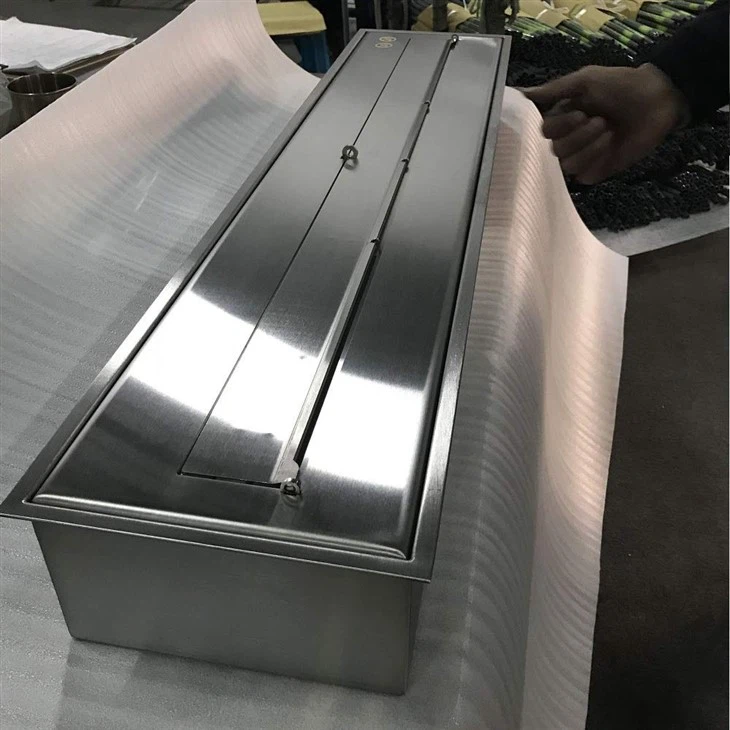
If you're interested in purchasing a bioethanol garden burner or have any questions about our products, we'd love to hear from you. We're here to help you make an informed decision and provide you with a high - quality product that meets your needs. Whether you're looking to create a cozy outdoor gathering space or add a touch of warmth to your patio, our bioethanol garden burners are a great choice. So, don't hesitate to reach out and start a conversation about your purchase.
References
- World Health Organization. (Year). Guidelines for Air Quality.
- Various scientific studies on bioethanol combustion and emissions.