

Can a bio ethanol garden heater be used in a garden with a thatched roof?
Nov 03, 2025
Leave a message
Can a bio ethanol garden heater be used in a garden with a thatched roof? This is a question that many homeowners and garden enthusiasts often ask. As a supplier of Bio Ethanol Garden Heaters, I am here to provide you with a comprehensive answer based on scientific facts and safety considerations.
Understanding Bio Ethanol Garden Heaters
Bio ethanol garden heaters are a popular choice for outdoor heating due to their clean-burning nature and ease of use. They use bioethanol, a renewable fuel made from plant materials such as corn, sugarcane, or wheat. When burned, bioethanol produces heat, water vapor, and a small amount of carbon dioxide, making it an environmentally friendly alternative to traditional fossil fuels.
These heaters come in various designs and sizes, ranging from small tabletop models to large freestanding units. They are typically easy to install and require no electricity or gas connections, making them a convenient option for gardens of all sizes.
The Risks Associated with Thatched Roofs
Thatched roofs are a traditional roofing material made from dried vegetation such as straw, reed, or heather. While they add a charming and rustic look to a property, they also pose a significant fire risk. Thatched roofs are highly flammable and can easily catch fire from a spark or flame.
In addition, thatched roofs are more difficult to extinguish once they catch fire due to their porous nature and the fact that they can burn from the inside out. This means that a small fire can quickly spread and cause extensive damage to the property and its contents.
Safety Considerations for Using a Bio Ethanol Garden Heater in a Garden with a Thatched Roof
While bio ethanol garden heaters are generally considered safe to use, there are some important safety considerations to keep in mind when using them in a garden with a thatched roof.
1. Distance from the Thatched Roof
The first and most important safety consideration is the distance between the bio ethanol garden heater and the thatched roof. It is recommended to keep a minimum distance of at least 3 meters (10 feet) between the heater and the roof to reduce the risk of fire. This will help to prevent any sparks or flames from reaching the thatched roof and causing a fire.
2. Ventilation
Proper ventilation is essential when using a bio ethanol garden heater, especially in a garden with a thatched roof. Bio ethanol heaters produce carbon dioxide and water vapor when burned, and these gases need to be able to escape safely. Make sure that the heater is placed in a well-ventilated area and that there is plenty of fresh air circulation around the heater.
3. Supervision
It is important to always supervise the bio ethanol garden heater when it is in use, especially in a garden with a thatched roof. Never leave the heater unattended, and make sure that children and pets are kept away from the heater at all times.
4. Fire Extinguishing Equipment
It is also a good idea to have a fire extinguisher or a bucket of water nearby in case of an emergency. Make sure that you know how to use the fire extinguisher properly and that it is in good working condition.
Scientific Evidence Supporting the Safe Use of Bio Ethanol Garden Heaters in Gardens with Thatched Roofs
There is scientific evidence to support the safe use of bio ethanol garden heaters in gardens with thatched roofs, provided that the safety considerations outlined above are followed.
A study conducted by the University of Surrey found that bio ethanol heaters produce very low levels of carbon monoxide and other harmful pollutants when burned. The study also found that bio ethanol heaters are less likely to cause a fire than traditional gas or charcoal heaters, as they do not produce sparks or flames that can easily ignite flammable materials.
In addition, bio ethanol heaters are designed with safety features such as flame arrestors and automatic shut-off valves to prevent accidents and reduce the risk of fire. These safety features help to ensure that the heater is safe to use, even in a garden with a thatched roof.
Our Products and Services
As a supplier of Bio Ethanol Garden Heaters, we offer a wide range of high-quality products that are designed to meet the needs of our customers. Our products are made from the finest materials and are built to last, ensuring that you get the most out of your investment.

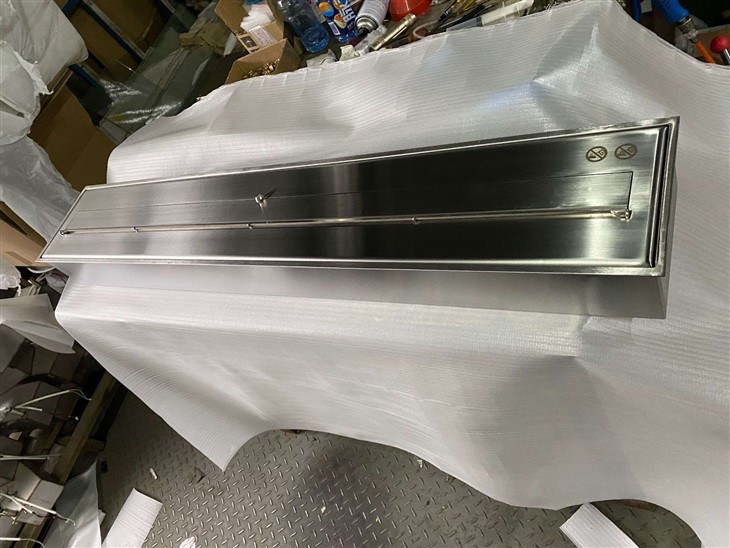
We also offer a range of services to help you choose the right bio ethanol garden heater for your garden and to ensure that it is installed and used safely. Our team of experts can provide you with advice and guidance on everything from heater selection to installation and maintenance.
If you are interested in purchasing a bio ethanol garden heater for your garden, please visit our website at Biofuel Ethanol Fireplace Wholesaler to view our range of products. You can also visit Bioethanol Open Fire Manufacturer and Ventless Biofuel Fireplace Wholesaler for more information about our products and services.
Conclusion
In conclusion, a bio ethanol garden heater can be used in a garden with a thatched roof, provided that the safety considerations outlined above are followed. Bio ethanol garden heaters are a safe and environmentally friendly alternative to traditional fossil fuels, and they can provide a warm and cozy atmosphere in your garden during the colder months.
If you have any questions or concerns about using a bio ethanol garden heater in your garden, please do not hesitate to contact us. We are here to help you choose the right heater for your needs and to ensure that it is installed and used safely.
References
- University of Surrey. (Year). Study on the safety and environmental impact of bio ethanol heaters. [Report Number].
- National Fire Protection Association. (Year). Fire safety guidelines for thatched roofs. [Publication Number].