

Are there any regulations for using the hottest bioethanol fire?
Jul 16, 2025
Leave a message
Are there any regulations for using the hottest bioethanol fire?
As a supplier of the Hottest Bioethanol Fire, I often receive inquiries from customers regarding the regulations surrounding the use of these innovative heating solutions. In this blog post, I aim to provide a comprehensive overview of the regulations that govern the use of bioethanol fires, ensuring that you have all the information you need to use our products safely and legally.
Understanding Bioethanol Fires
Before delving into the regulations, it's important to understand what bioethanol fires are and how they work. Bioethanol fires are a type of fireplace that uses bioethanol fuel, a renewable and eco-friendly alternative to traditional fossil fuels. These fires produce a clean and smokeless flame, making them a popular choice for both indoor and outdoor use.
The Hottest Bioethanol Fire, in particular, is a state-of-the-art product that offers a high level of heat output and a stunning visual display. Our fires are designed to be easy to use and maintain, and they come in a variety of styles and sizes to suit different needs and preferences.
Safety Regulations
Safety is of utmost importance when it comes to using any type of heating appliance, and bioethanol fires are no exception. There are several safety regulations that you need to be aware of before using a bioethanol fire.
Ventilation
One of the key safety considerations for bioethanol fires is ventilation. While bioethanol fires produce less carbon monoxide and other harmful emissions than traditional fires, they still require adequate ventilation to ensure that the air quality in your home remains safe.
It's important to follow the manufacturer's instructions regarding ventilation requirements for your specific bioethanol fire. In general, it's recommended to use bioethanol fires in well-ventilated areas, such as rooms with open windows or doors. Avoid using bioethanol fires in small, enclosed spaces or areas with poor ventilation.
Fuel Storage and Handling
Proper fuel storage and handling are also crucial for the safe use of bioethanol fires. Bioethanol fuel is highly flammable, so it's important to store it in a cool, dry place away from sources of heat and ignition.
When refilling your bioethanol fire, make sure to follow the manufacturer's instructions carefully. Never overfill the fuel container, and always allow the fire to cool down completely before refilling. Avoid spilling fuel on the fire or surrounding surfaces, and clean up any spills immediately.
Fire Safety
In addition to ventilation and fuel storage, there are several other fire safety measures that you need to take when using a bioethanol fire. Make sure to place your fire on a stable, non-flammable surface, and keep it away from curtains, furniture, and other flammable materials.
It's also a good idea to have a fire extinguisher nearby in case of an emergency. Familiarize yourself with how to use the fire extinguisher, and make sure that it's in good working condition.
Building Regulations
In addition to safety regulations, there may also be building regulations that apply to the installation and use of bioethanol fires. These regulations can vary depending on your location, so it's important to check with your local building department before installing a bioethanol fire in your home.
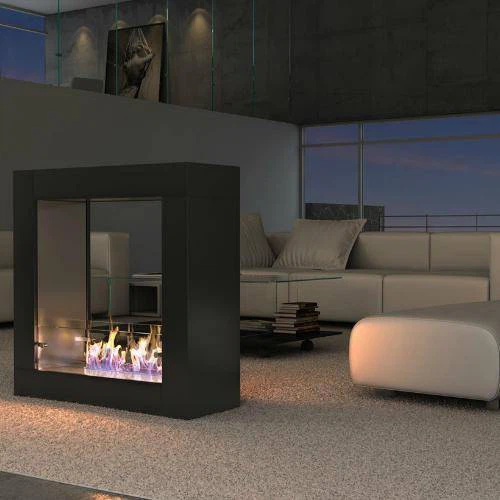

Installation Requirements
Building regulations may specify certain installation requirements for bioethanol fires, such as the distance from the fire to walls, ceilings, and other structures. It's important to follow these requirements to ensure that your fire is installed safely and in compliance with local regulations.
Permits
In some cases, you may need to obtain a permit from your local building department before installing a bioethanol fire. This is especially true if you're installing the fire in a commercial building or a multi-family dwelling. Make sure to check with your local building department to determine if a permit is required.
Environmental Regulations
Bioethanol fires are often touted as a more eco-friendly alternative to traditional fires, but there are still some environmental regulations that you need to be aware of.
Emissions
While bioethanol fires produce less carbon monoxide and other harmful emissions than traditional fires, they still produce some emissions. It's important to use bioethanol fires in a well-ventilated area to minimize the impact of these emissions on the environment and your health.
Fuel Source
The environmental impact of bioethanol fires also depends on the source of the bioethanol fuel. Make sure to choose a bioethanol fuel that is made from renewable sources, such as corn or sugarcane. Avoid using bioethanol fuel that is made from non-renewable sources, such as fossil fuels.
Conclusion
In conclusion, there are several regulations that govern the use of the Hottest Bioethanol Fire and other bioethanol fires. These regulations are in place to ensure the safety of users, protect the environment, and comply with local building codes.
As a supplier of the Hottest Bioethanol Fire, we are committed to providing our customers with high-quality products that meet all relevant safety and environmental regulations. We also offer comprehensive installation and maintenance services to ensure that your bioethanol fire is installed and used safely and correctly.
If you're interested in purchasing a bioethanol fire, I encourage you to visit our website at Hottest Bioethanol Fire to learn more about our products and services. You can also browse our selection of Free Standing Bioethanol Fire and Ventless Free Standing Ethanol Fireplace options.
If you have any questions or would like to discuss your specific needs, please don't hesitate to contact us. We're here to help you find the perfect bioethanol fire for your home or business.
References
- National Fire Protection Association (NFPA). (2023). NFPA 1: Fire Code.
- Environmental Protection Agency (EPA). (2023). Indoor Air Quality.
- International Code Council (ICC). (2023). International Residential Code (IRC).